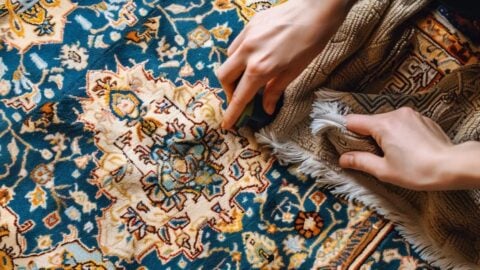






An upholstery cleaning expert helps Temple, TX homeowners maintain sofas, sectionals, recliners, dining chairs, and other upholstered furniture by identifying the material and selecting an appropriate cleaning method. Professional service can address accumulated body oils, dust, food residue, pet-related odors, and everyday soil while helping protect the fabric from unnecessary moisture or harsh treatment. Proper maintenance can improve furniture appearance and help extend its usable life.
Why Temple Furniture Needs More Than Routine Vacuuming
Upholstered furniture collects more than the dirt homeowners can see. Over time, armrests and seat cushions can accumulate body oils, dust, pet hair, food particles, and other household debris.
Central Texas conditions can add to this buildup. Seasonal pollen and outdoor dust can enter homes through doors, windows, and ventilation systems before settling into furniture and other soft surfaces. During warmer months, frequent use of sofas and recliners can also increase the transfer of skin oils and perspiration onto fabric.
Routine vacuuming remains useful for removing loose debris, but it cannot address every type of residue. Professional cleaning becomes particularly valuable when furniture develops visible darkening, persistent odors, difficult stains, or heavy-use areas.
What an Upholstery Cleaning Expert Evaluates
A professional should inspect furniture before choosing a cleaning method. Important considerations include:
- Fabric type and construction
- Colorfastness
- Manufacturer care instructions
- Existing stains and previous cleaning attempts
- Worn areas, loose seams, or other damage
- Type of soil or contamination
- Cushion and furniture construction
This assessment helps determine whether the material is suitable for moisture-based cleaning, low-moisture treatment, solvent-based methods, or another specialized approach.
The goal is not to use the strongest available cleaning process. It is to use the most appropriate process for the particular furniture.
What Professional Upholstery Service Can Address
Professional furniture cleaning may help with common problems such as:
- Darkened armrests caused by accumulated oils and soil
- Food and beverage stains
- Dust and embedded particulate matter
- Pet hair and surface debris
- Some pet-related odors
- Everyday wear and soiling
- Residue left by previous household cleaning attempts
Results vary according to the fabric, age of the stain, extent of contamination, and condition of the furniture. Some discoloration or damage may be permanent, so a professional should set expectations before treatment begins.
Protecting Different Upholstery Materials
Furniture materials respond differently to cleaning, which is why fabric identification matters.
Microfiber
Microfiber can develop noticeable dark areas where oils and soil accumulate. The appropriate cleaning technique depends on the specific microfiber construction and its care requirements.
Cotton and Natural Fibers
Natural fibers can be sensitive to excessive moisture. Careful testing and drying are important when these materials are professionally cleaned.
Synthetic Fabrics
Synthetic upholstery is often durable, but unsuitable chemicals or excessive agitation can still affect color, texture, or appearance.
Velvet
Velvet requires particular care because its pile can be affected by moisture and improper agitation. The material should be identified before selecting a cleaning method.
Leather
Leather upholstery requires a different maintenance approach from textile furniture. Products should be selected according to the type of leather and its finish.
Why Moisture Management Matters
Moisture is one of the main considerations when cleaning upholstered furniture.
Using more water does not necessarily produce better results. Excess moisture can increase drying time and may contribute to problems such as water marks or browning on susceptible materials.
Professional upholstery equipment is designed to provide greater control around cushions, seams, arms, and other furniture components. Proper airflow after cleaning can also help furniture dry more efficiently.
Homeowners should be wary of anyone promising that every fabric is completely risk-free. Furniture condition, construction, previous exposure to moisture, and fiber type all affect the outcome.
Pet Odors and Difficult Stains
Pet-related contamination can be more complicated than a surface stain. If urine or another substance has penetrated into cushion foam, treating only the fabric surface may not completely resolve the odor.
Professional technicians can determine whether targeted treatment is appropriate and whether deeper contamination is involved. In severe cases, additional treatment or replacement of affected materials may be necessary.
The same principle applies to old food, beverage, and household stains. Prompt attention generally gives professionals a better opportunity to improve the appearance of the affected area.
How Often Should Furniture Be Cleaned?
There is no universal schedule for every home.
A lightly used sofa may need professional attention less frequently than a sectional used every day by a family with children and pets.
A 12- to 24-month maintenance interval can be a reasonable starting point for many households, while high-use furniture may benefit from more frequent service.
Between professional cleanings, homeowners can:
- Vacuum upholstery regularly.
- Address spills promptly.
- Keep pets’ outdoor debris from accumulating on furniture.
- Follow the manufacturer’s care instructions.
- Avoid aggressively scrubbing stains without checking the fabric requirements.
Upholstery Cleaning in Temple and Nearby Communities
Homeowners throughout Temple and nearby communities such as Belton, Troy, and Moody can encounter similar furniture-maintenance challenges from everyday household use, seasonal pollen, dust, and pets.
Professional upholstery care can also benefit local businesses. Reception furniture, office seating, restaurant booths, waiting-room chairs, and other commercial upholstery may experience considerably more daily wear than residential furniture.
For these environments, scheduled maintenance can help keep customer-facing furniture looking presentable without waiting until heavy soiling becomes obvious.
When to Call an Upholstery Cleaning Professional
Professional service may be appropriate when:
- Armrests or cushions have become noticeably darker.
- Furniture has developed persistent odors.
- Stains remain after careful spot treatment.
- Pet contamination is suspected.
- Furniture has not been professionally cleaned for an extended period.
- The material is delicate or expensive.
- You are unsure which cleaning method is safe.
Valuable, antique, or delicate furniture deserves particular caution. Testing and professional assessment can help prevent an unsuitable household product from causing additional damage.
Choosing an Upholstery Cleaning Expert in Temple
Before hiring a provider, homeowners can ask a few practical questions:
- Will the furniture be inspected before cleaning?
- How will the fabric be identified?
- Is colorfastness tested?
- Which cleaning method is recommended for the material?
- How will excess moisture be controlled?
- What results can realistically be expected?
- Are there existing stains or damage that may not be removable?
- What drying time should the homeowner expect?
A reputable provider should be willing to explain the process and discuss limitations rather than promise identical results for every piece of furniture.
Frequently Asked Questions
What does an upholstery cleaning expert do?
An upholstery cleaning expert assesses furniture materials, soil conditions, and potential cleaning risks before selecting an appropriate treatment method.
How often should upholstered furniture be professionally cleaned?
Many households can consider professional cleaning every 12 to 24 months. Furniture exposed to heavy daily use, children, pets, or frequent spills may require more frequent attention.
Can professional cleaning remove pet odors?
It can reduce or remove many pet-related odors, but results depend on how deeply the contamination has penetrated. Odors inside cushion foam can require additional treatment.
Can every upholstery stain be removed?
No. Some stains cause permanent discoloration or fiber damage. Previous cleaning attempts can also affect the final result.
Will upholstery cleaning shrink furniture fabric?
Proper procedures can reduce the risk, but no cleaning method should be presented as completely risk-free for every fabric. Material type, construction, condition, and moisture exposure all matter.
How long does upholstered furniture take to dry?
Drying time varies according to the material, cleaning method, humidity, airflow, and amount of moisture used. Good ventilation and air movement can help shorten the drying period.
Can microfiber furniture be professionally cleaned?
Yes. The appropriate method depends on the specific microfiber material and its care requirements.
Can velvet upholstery be cleaned?
Some velvet can be professionally cleaned, but it requires careful material identification and an appropriate technique.
Is professional upholstery cleaning suitable for homes with children and pets?
Professional cleaners can select products and procedures appropriate for the furniture and household. Homeowners should ask what products are being used and whether any post-cleaning precautions are recommended.
Where is Dynaclean Professional Services located?
Dynaclean Professional Services is listed at 2102 W Avenue D, Temple, TX 76504.
Upholstery Cleaning Terms to Know
| Term | Definition |
|---|---|
| Surfactant | An ingredient that helps a cleaning solution loosen and suspend soil. |
| Colorfastness | A fabric’s ability to retain its dye without bleeding or transferring during cleaning. |
| Extraction | A process that removes suspended soil and cleaning solution using vacuum equipment. |
| Low-Moisture Cleaning | A cleaning approach that limits moisture use to help manage drying and moisture-sensitive materials. |
| Cellulosic Browning | Brownish discoloration that can occur when moisture affects certain natural plant-based fibers. |
| Agitation | Controlled mechanical action used to help loosen soil from fabric fibers. |
Conclusion
Professional furniture care is about more than making a sofa look cleaner. An upholstery cleaning expert evaluates the material, condition, and type of soiling before choosing an appropriate approach.
For Temple homeowners, periodic professional service can help address accumulated oils, household soil, pet-related residues, and difficult stains while supporting long-term furniture maintenance. Combined with regular vacuuming and prompt spill care, professional cleaning can help upholstered furniture remain comfortable and presentable for longer.