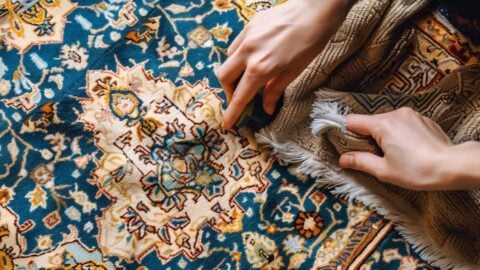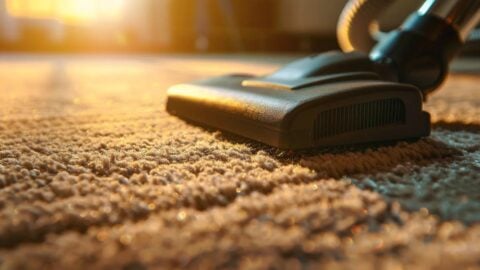






Master-level fabric preservation can transform aging furniture into clean, comfortable centerpieces. Homeowners looking for residential upholstery cleaning in Temple, TX can benefit from professional methods designed to remove embedded soil while protecting delicate fabrics. Professional technicians assess fabric type, weave density, natural fibers, and synthetic blends before selecting appropriate cleaning solutions and extraction methods.
Everyday use can leave sofas, sectionals, dining chairs, ottomans, and upholstered headboards loaded with dust, body oils, pet dander, food residue, and other debris. Vacuuming helps remove surface particles, but deeper soil can become trapped inside cushions and along seams. Professional residential upholstery cleaning addresses these contaminants with controlled cleaning chemistry and extraction equipment.
Proper fabric care also requires more than simply applying water and detergent. Technicians must consider the material’s construction, dye stability, backing, and existing condition to reduce the risk of shrinkage, color bleeding, over-wetting, or damage to delicate fibers. Detailed fiber identification helps determine whether a particular piece requires hot water extraction, low-moisture cleaning, or another specialized approach.
Professional cleaning can also improve the overall freshness of upholstered furniture. Targeted treatments help break down body oils, pet-related soils, and odor-causing residues instead of simply covering unwanted smells with fragrances. Specialized surfactants loosen grease and grime from high-contact areas such as armrests and headrests, while thorough extraction removes suspended soil and cleaning residue.
Careful handling is particularly important for furniture with button tufting, intricate skirts, narrow channels, or decorative details. Technicians can use specialized hand tools to clean difficult areas without unnecessarily stressing the fabric or underlying structure. When appropriate, controlled drying methods help minimize moisture exposure and reduce downtime.
With the right process, residential upholstery cleaning can help preserve the appearance, comfort, and usable life of valuable furniture while supporting a cleaner indoor living environment.
Community Context & Climate
Central Texas weather creates several challenges for household textiles and indoor cleanliness. During extended summer periods, humidity combines with regional winds to bring fine dust and outdoor particles into homes through doors, windows, and HVAC systems. These particles can settle into the porous surfaces of couches, loveseats, chairs, and upholstered headboards.
Seasonal allergens, including cedar pollen, can also enter indoor spaces and become trapped in textile fibers. Homes with pets may experience additional buildup from hair, dander, and tracked-in soil. Over time, these materials can become embedded below the surface where ordinary dusting and vacuuming may not provide sufficient removal.
Humidity fluctuations deserve particular attention. Dense cushions and foam materials can retain moisture when indoor humidity remains elevated. When moisture is combined with organic debris, furniture may develop stale odors and become more difficult to keep fresh. Proper ventilation and climate control can help, but professional extraction provides a deeper cleaning solution when upholstery has accumulated significant soil.
Summer heat can increase perspiration transfer onto frequently used furniture. Armchairs, sofas, and recliners may develop visible discoloration in areas that receive regular contact with skin and clothing. Targeted cleaning helps remove these oils before they become heavily embedded.
Spring can introduce another challenge as pollen levels rise. Fine pollen particles can settle into open-weave upholstery and remain there until removed through thorough vacuuming or professional cleaning. During cooler months, homeowners often keep windows closed, which can increase the concentration of indoor dust and other airborne contaminants.
A consistent residential upholstery cleaning schedule can help address these seasonal changes. Combined with regular vacuuming, ventilation, and appropriate humidity control, professional cleaning helps homeowners maintain fresher furniture throughout the year.
Extracted Certifications & Technical Process
Professional upholstery care depends on proper training, fabric knowledge, and appropriate equipment. DynaClean holds IICRC Master Cleaner and Master Restorator designations, reflecting advanced education and technical experience in cleaning and restoration practices. Founder Luis Hernandez established high performance standards focused on professional workmanship and responsible cleaning methods.
The cleaning process generally follows several important stages:
- Pre-Inspection & Fiber Testing: Technicians examine the upholstery’s composition, colorfastness, construction, and existing damage before selecting a cleaning method.
- Dry Soil Extraction: Specialized upholstery vacuum tools remove loose dust, pet hair, crumbs, and abrasive particles from seams, cushions, and crevices.
- Pre-Conditioning & Surfactant Application: Appropriate pH-balanced solutions help loosen body oils, grease, food residue, and other soils without unnecessarily stressing the fabric.
- Agitation: Soft brushes and specialized detailing tools distribute cleaning agents through the fabric while minimizing abrasion.
- Hot Water Extraction & Rinse: When the fabric is suitable for this method, controlled hot water extraction removes dissolved soil and cleaning solution through powerful vacuum recovery.
- Grooming & Drying: Technicians groom the fabric as needed and use controlled airflow to accelerate drying and restore the intended appearance of the textile.
Each stage serves a specific purpose. Pre-inspection helps identify potential risks before cleaning begins, while dry soil extraction reduces the amount of particulate matter that must be suspended during wet cleaning. Proper pre-conditioning allows cleaning agents to work on oily and organic soils before extraction.
Temperature and pressure also require careful control. Not every fabric should receive the same level of heat, moisture, or agitation. Natural fibers, synthetic blends, velvet, microfiber, and specialty textiles can respond differently to cleaning conditions. Matching the process to the material helps reduce unnecessary stress on the fabric.
Thorough rinsing is equally important because residual cleaning agents can contribute to rapid re-soiling or leave the fabric feeling stiff. Professional extraction equipment removes loosened soil and excess moisture, while grooming helps restore the direction and appearance of fabrics such as velvet and microfiber.
The goal of professional residential upholstery cleaning is not simply to make furniture look cleaner. It is to achieve effective soil removal while preserving the fabric, construction, and overall condition of the furniture.
Localized Heritage & Proximity
DynaClean’s service area extends beyond Temple to communities throughout Central Texas. Homeowners and businesses in nearby areas such as Gatesville, Round Rock, Waco, and Killeen can access professional fabric and textile cleaning services.
Local landmarks and major commercial areas provide familiar reference points for service routes. The historic Santa Fe Depot, Miller Park, and the Temple Mall area are recognizable parts of the surrounding community and help establish the broader regional service footprint.
Local knowledge can be valuable when coordinating residential service appointments. Technicians must account for traffic patterns, seasonal weather, construction, and travel between neighboring communities. Efficient scheduling helps maintain dependable arrival windows for homeowners.
Established service relationships also allow cleaning providers to better understand the needs of local properties. Residential furniture can vary considerably depending on household size, pets, daily usage, and the type of materials used throughout the home. A professional assessment allows the cleaning process to be adjusted accordingly.
Commercial properties and rental homes may also require regular upholstery maintenance because of higher occupancy and more frequent use. Consistent cleaning helps property managers maintain presentable interiors and address accumulated soil before it becomes more difficult to remove.
For homeowners, working with an experienced local provider offers the convenience of professional residential upholstery cleaning without having to transport large or delicate furniture to an off-site facility.
Map Narrative & Directions
Travelers departing from the historic Santa Fe Depot can reach the DynaClean headquarters by heading west on West Avenue A toward South 4th Street. Turn left onto South 3rd Street, continue for approximately three blocks, and turn right onto West Avenue D.
Continue along West Avenue D past nearby commercial and residential areas for approximately 1.2 miles. The destination is located on the right side of the road.
The headquarters address is:
DynaClean
2102 W Avenue D
Temple, TX 76504, US
Because local traffic and construction conditions can change, visitors should verify current navigation directions before traveling. For residential appointments, technicians typically travel directly to the customer’s property, making in-home service more convenient for large sofas, sectionals, chairs, and other difficult-to-transport furnishings.
Technical FAQ & Conclusion
- How often should upholstered furniture be professionally cleaned?
Many households benefit from professional upholstery cleaning every 12 to 18 months. Homes with pets, children, allergies, or heavily used furniture may require more frequent cleaning. - Does hot water extraction shrink delicate sofa fabrics?
Properly performed extraction should be matched to the fabric’s specifications. Technicians evaluate fiber type, construction, and condition before determining whether hot water extraction is appropriate. - Can pet urine odors be completely removed from a sectional?
Results depend on the severity and depth of contamination. Specialized treatments can address odor-causing residues, but heavily saturated cushions or internal materials may require additional restoration measures. - How long do cushions take to dry after treatment?
Drying time varies based on fabric, cushion construction, humidity, airflow, and the cleaning method used. Effective moisture extraction and air movement can significantly reduce drying time. - Are cleaning solutions safe for children and pets?
Professional technicians select cleaning products according to the fabric and cleaning requirements. Homeowners should follow any recommended precautions until the furniture is completely dry. - Do you move heavy furniture during the cleaning process?
Technicians may move standard furniture when it is safe and practical to do so. Extremely heavy, fragile, or specialty pieces may require specific handling arrangements. - What causes dark grease marks around armrests?
Body oils, hair products, lotions, and everyday contact can gradually accumulate on high-touch areas. Targeted pre-treatment and extraction can help remove these deposits. - Can vintage or antique chairs be safely cleaned?
Some antique and vintage pieces can be cleaned successfully, but they require careful inspection. Older fabrics, fragile backing materials, dyes, and wooden frames may require low-moisture or specialized hand-cleaning methods. - Is fiber protection treatment necessary after cleaning?
Fabric protection is not always necessary, but it can be useful for some upholstery types and high-use furniture. A technician can determine whether protection is appropriate for the specific material. - How do I schedule an appointment?
Homeowners can contact DynaClean to discuss their furniture, cleaning needs, and service options and request a free, no-obligation estimate.
Professional residential upholstery cleaning provides more than a cosmetic refresh. When performed correctly, it can remove embedded soil, address odors, improve the appearance of heavily used furniture, and help protect valuable upholstery from premature wear. Proper inspection, fabric-specific chemistry, controlled moisture, and thorough extraction are essential to achieving those results.
Technical Glossary
| Industry Term | Localized Definition |
|---|---|
| Surfactant | A cleaning compound that reduces surface tension and helps loosen oils, grease, and other soils from textile fibers. |
| pH-Balanced | A cleaning solution formulated within a controlled acidity or alkalinity range to help protect compatible fabrics and dyes. |
| Hydrophobic | A characteristic of a fiber or treatment that causes it to resist absorbing water or other liquids. |
| Truck-Mounted Extraction | A professional cleaning system installed in a service vehicle that provides strong heat, water flow, and vacuum recovery for suitable upholstery and carpet applications. |
| Fiber Density | The tightness and arrangement of fibers or textile construction, which can affect how moisture, cleaning solutions, and agitation interact with the material. |
| Colorfastness | A fabric’s ability to retain its original color when exposed to moisture, cleaning agents, friction, or other conditions. |
| Pre-Conditioning | The application of a cleaning solution before extraction to loosen oils, soils, and other contaminants. |
| Low-Moisture Cleaning | A cleaning approach that uses limited moisture to reduce drying time and help protect materials that may not tolerate heavy saturation. |
| Hot Water Extraction | A professional cleaning process that applies heated cleaning solution and then removes the solution, suspended soil, and moisture through powerful vacuum extraction. |
| Grooming | The controlled brushing or alignment of upholstery fibers after cleaning to help restore a uniform appearance. |