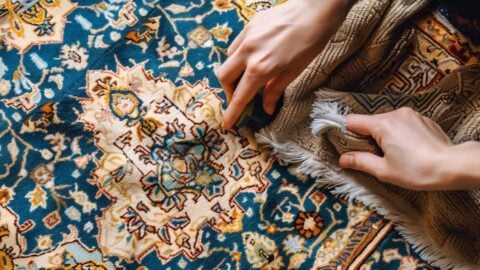




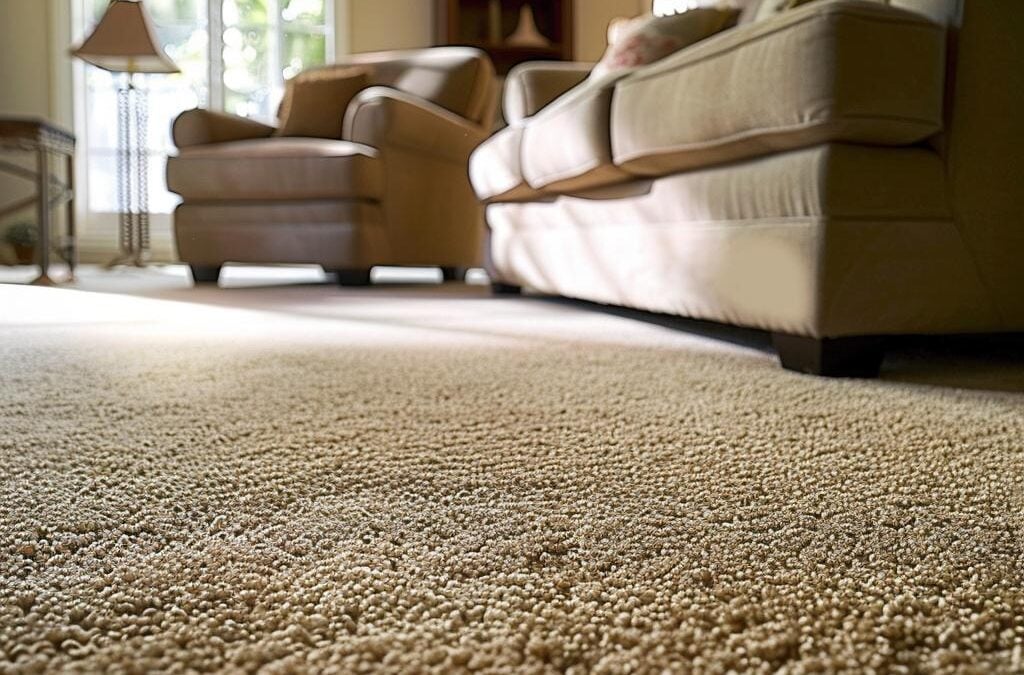
Area rugs add warmth, comfort, and character to a home, but they also collect the dirt and debris brought inside every day. Foot traffic, pets, food spills, dust, and outdoor soil can gradually work their way into the rug fibers. Regular vacuuming helps, but it cannot always remove everything trapped below the surface.
For homeowners considering residential area rug cleaning in Temple, TX, the first step is understanding that not every rug should be cleaned the same way. Wool, cotton, synthetic, antique, and specialty rugs can have very different cleaning requirements. Using too much water, the wrong cleaning solution, or excessive agitation can cause problems such as color bleeding, shrinkage, texture changes, or damage to the backing.
This guide explains how area rugs become soiled, what you can safely do at home, when professional cleaning makes sense, and what to look for when choosing a rug cleaning service.
Why Area Rugs Get Dirty So Quickly
An area rug is essentially a filter for the room. As people move around the house, small particles settle into the fibers instead of remaining suspended in the air or landing directly on the floor.
Common sources of rug soil include:
- Dirt tracked in from outdoors
- Dust and household debris
- Pet hair and dander
- Food crumbs
- Body oils
- Mud from shoes and paws
- Beverage and food spills
- Soil carried through entryways
- Fine particles from normal household activity
High-traffic rugs are particularly vulnerable. An entryway rug may collect outdoor soil several times a day, while a living room rug may receive constant foot traffic from family members and pets.
Over time, these particles can become compacted into the pile. Abrasive soil can also create additional friction when people walk across the rug. This is one reason a rug may begin to look dull or worn even when it is vacuumed regularly.
Is Vacuuming Enough?
Vacuuming is one of the most important things you can do to maintain an area rug. It removes loose soil before it has an opportunity to settle deeper into the fibers.
However, vacuuming has limits.
Once soil becomes embedded in the pile, a household vacuum may not remove all of it. Spills can also leave behind residues or discoloration that cannot be corrected through vacuuming alone.
A good maintenance routine combines regular vacuuming with appropriate spot treatment and periodic professional cleaning when the rug needs more attention.
For most homes, the frequency of vacuuming should depend on traffic. A rug in a busy family room or entryway may need to be vacuumed several times a week, while a rug in a rarely used room may need less frequent attention.
Know What Your Rug Is Made Of Before Cleaning It
The most important question to answer before cleaning an area rug is simple:
What is the rug made of?
Fiber type affects how a rug responds to moisture, heat, agitation, and cleaning products.
Wool Rugs
Wool is a natural fiber valued for its durability, appearance, and feel. However, wool can require careful moisture and chemical control during cleaning.
A wool rug should not automatically be treated like a synthetic carpet. Excessive moisture, unsuitable products, or aggressive agitation can create problems.
Cotton Rugs
Cotton rugs are common in casual residential spaces and can vary significantly in construction. Some are relatively easy to maintain, while others may require special handling because of their dyes, backing, or construction.
Synthetic Rugs
Materials such as nylon, polyester, and polypropylene are widely used in residential rugs. Their cleaning requirements vary by fiber and construction, so the label and manufacturer’s instructions should still be considered before treatment.
Silk and Specialty Rugs
Silk, antique, handwoven, and other specialty rugs require additional care. Their value may come from both the materials and the craftsmanship, making an aggressive DIY cleaning attempt particularly risky.
If you are uncertain about the material or value of a rug, professional inspection is safer than experimenting with household chemicals.
What Does “Pre-Inspection” Mean?
You may hear professional rug cleaners use the term pre-inspection. It simply means examining the rug before deciding how it should be cleaned.
A proper inspection can include checking:
- Fiber type
- Rug construction
- Dye stability
- Existing stains
- Previous repairs
- Fringe condition
- Backing condition
- Areas of wear
- Water sensitivity
- Previous cleaning damage
This matters because cleaning can sometimes reveal problems that were already present.
For example, a weakened section of a rug may become more noticeable after soil is removed. A technician who identifies that condition before cleaning can take appropriate precautions and explain the potential outcome to the homeowner.
What Is a Colorfastness Test?
Colorfastness describes how well a dye stays in place when exposed to moisture or cleaning agents.
Some dyes are stable during cleaning. Others can bleed or transfer when exposed to particular conditions.
A professional may perform a small test in an inconspicuous area before applying a cleaning solution more broadly.
This is particularly important for rugs with:
- Dark and light colors next to each other
- Strongly dyed fibers
- Older dyes
- Hand-dyed materials
- Antique construction
- Previous color damage
A simple test can help identify potential problems before they affect a larger section of the rug.
How Professional Area Rug Cleaning Typically Works
The exact process varies according to the rug, but professional cleaning generally involves several stages.
1. Inspection
The rug is examined to determine its material, construction, condition, and cleaning requirements.
2. Dry Soil Removal
Loose dirt and particulate debris are removed before deeper cleaning.
This step is important because dry soil can become harder to remove once it is mixed with moisture.
3. Spot Treatment
Visible stains are evaluated individually. A coffee spill, grease-based stain, pet accident, and mud spot may require different approaches.
There is no universal stain remover that is appropriate for every rug.
4. Cleaning
The selected cleaning method is applied according to the characteristics of the rug.
Depending on the textile, this may involve controlled moisture, specialized cleaning solutions, mechanical agitation, or another appropriate process.
5. Extraction
When a moisture-based process is used, extraction refers to removing the suspended soil and cleaning solution from the rug.
Effective extraction is important because excessive remaining moisture can extend drying time and may contribute to problems if the rug is not dried properly.
6. Drying
The rug must be dried appropriately for its material and construction.
Drying requirements vary. A thick rug, dense construction, or humid environment can affect how quickly moisture leaves the textile.
7. Final Inspection
The rug should be inspected again after cleaning to evaluate the results and identify any remaining areas of concern.
Why DIY Rug Cleaning Can Go Wrong
Homeowners often search for ways to clean an area rug themselves. Some maintenance tasks are perfectly reasonable to handle at home, but deep cleaning can be more complicated than it appears.
Common mistakes include:
Using Too Much Water
Saturating a rug can make drying difficult. Depending on the rug’s construction, excessive moisture may contribute to shrinkage, dye migration, backing problems, or prolonged drying.
Scrubbing Stains Aggressively
Scrubbing can damage fibers or spread a stain beyond the original area. Blotting is generally a better first response to a fresh liquid spill.
Using the Wrong Cleaning Product
A product that works well on one type of carpet or fabric may not be appropriate for an area rug.
Household cleaners can also contain ingredients that leave residues or affect dyes.
Ignoring the Backing
Some rugs have multiple layers or backing materials that react differently to moisture. Cleaning only with the face fibers in mind can create unexpected problems.
Cleaning Valuable or Antique Rugs Without an Assessment
If a rug is expensive, antique, handmade, or sentimental, experimentation is rarely worth the risk. A qualified professional should evaluate it first.
What to Do When You Spill Something on an Area Rug
Fast action can make a difference when a spill occurs.
Start by removing excess liquid without spreading it. Use a clean, absorbent cloth or towel and gently blot the affected area.
Avoid:
- Aggressive scrubbing
- Excessive water
- Unverified household chemicals
- Mixing multiple cleaning products
- Applying heat without knowing whether the rug can tolerate it
If the substance is oily, strongly colored, or potentially damaging, professional advice may be appropriate.
The sooner a spill is addressed, the less opportunity it has to penetrate deeper into the rug.
Pet Accidents Require More Than Surface Cleaning
Pet accidents can be especially challenging because the visible spot may not represent the full extent of the contamination.
Liquid can move through the rug’s pile and reach the backing or underlying surface. If that happens, cleaning only the visible face of the rug may not address everything involved.
Pet odors can also be difficult to remove because odor-causing residues may remain after the visible discoloration has faded.
A professional should assess the rug and determine how deeply the contamination has penetrated before deciding on treatment.
How Often Should an Area Rug Be Professionally Cleaned?
There is no single schedule that works for every household.
A rug’s cleaning needs depend on:
- Amount of foot traffic
- Presence of pets
- Number of people in the household
- Rug material
- Rug location
- Indoor activities
- Visible soiling
- Spill and stain history
A rug in a busy Temple entryway may require attention more often than one in a guest bedroom.
Instead of following a rigid calendar, pay attention to the condition of the rug.
Consider professional cleaning when:
- The rug looks dull despite regular vacuuming.
- Traffic areas are becoming noticeably darker.
- Stains remain after appropriate spot treatment.
- The rug has developed a persistent odor.
- Pet accidents have occurred.
- Soil appears deeply embedded.
- The rug has not been professionally evaluated or cleaned for a long time.
Maintaining Your Area Rug Between Professional Cleanings
Professional cleaning is only one part of good rug care.
Vacuum Consistently
Regular vacuuming reduces the amount of loose soil available to work into the fibers.
Rotate the Rug
If the rug receives uneven traffic or sunlight, rotating it periodically can help distribute wear more evenly.
Use a Suitable Rug Pad
A properly sized rug pad can help reduce movement and provide additional cushioning. It may also help reduce friction between the rug and the floor.
Keep Outdoor Soil Outside
Using entry mats and removing outdoor shoes can reduce the amount of soil entering the home.
Treat Spills Promptly
Do not allow a fresh spill to sit unnecessarily. Blot the affected area and avoid aggressive rubbing.
Follow Manufacturer Instructions
If the rug has a care label, keep it available. Manufacturer recommendations can provide useful information about appropriate cleaning and maintenance.
How Temple’s Environment Can Affect Rug Maintenance
Temple’s Central Texas location means homeowners deal with changing weather conditions throughout the year. Outdoor soil, dust, pollen, and moisture can all find their way indoors.
That does not mean every Temple rug requires a special cleaning process. Instead, the local environment is one of several factors that influence how quickly a rug becomes soiled.
Homes with active outdoor areas, pets, children, or high foot traffic may notice faster accumulation than homes with limited indoor activity.
The best approach is to evaluate the actual condition of the rug rather than assuming every household needs the same cleaning schedule.
Questions to Ask Before Hiring a Rug Cleaning Company
Before scheduling residential area rug cleaning, ask the company how it determines the appropriate cleaning method.
Useful questions include:
- Will the rug be inspected before cleaning?
- How will the fiber type be identified?
- Will colorfastness be tested when appropriate?
- How are existing stains evaluated?
- What cleaning method is recommended for this specific rug?
- How is moisture controlled?
- How will the rug be dried?
- Are existing damage and limitations documented before cleaning?
- What results should I realistically expect?
A trustworthy cleaning provider should be willing to explain the process and discuss limitations rather than promising that every stain or odor will disappear.
When Professional Cleaning Makes Sense
Professional cleaning is particularly useful when a rug has accumulated significant soil, contains difficult stains, has a delicate construction, or requires a cleaning method that is not practical to perform at home.
It can also provide peace of mind when you are unsure how to safely clean a particular textile.
The goal should not simply be to make the rug look clean for a few days. Proper rug care considers the material, construction, condition, cleaning process, and drying requirements together.
For Temple homeowners, residential area rug cleaning can be part of a broader maintenance routine that combines regular vacuuming, prompt spill treatment, appropriate rug placement, and periodic professional assessment.
DynaClean Professional Services is located at 2102 W Avenue D, Temple, TX 76504. Homeowners can have their area rug evaluated to determine what cleaning approach is appropriate for its specific material and condition.
Frequently Asked Questions
Can I put my area rug in a washing machine?
It depends on the rug. Some small, machine-washable rugs are specifically designed for this type of cleaning, but many area rugs are not. Always check the manufacturer’s care instructions before placing a rug in a washing machine.
Why does my rug still look dirty after vacuuming?
Vacuuming primarily removes loose soil. Dirt that has become embedded in the fibers, along with stains and residues, may require additional treatment.
Should I use vinegar to clean an area rug?
Avoid assuming that vinegar is safe for every rug. Natural and specialty fibers can respond differently to acidic solutions, and some dyes or finishes may be affected. Check the manufacturer’s instructions or consult a professional before applying it.
Can professional cleaning remove every stain?
No cleaning company can reasonably guarantee that every stain will disappear. Results depend on the substance, age of the stain, fiber type, dye stability, previous cleaning attempts, and whether the material has permanently altered the fiber.
How long does an area rug take to dry?
Drying time varies according to the rug’s material, thickness, construction, cleaning method, moisture level, ventilation, and indoor conditions. A professional should be able to explain the expected drying requirements for the specific rug.
Is professional cleaning necessary if my rug looks clean?
Not necessarily. Cleaning needs depend on the rug’s use and condition. Regular maintenance may be sufficient for some lightly used rugs, while high-traffic rugs may accumulate soil that is not obvious from the surface.
Simple Rug-Care Glossary
| Term | Simple Meaning |
|---|---|
| Colorfastness | How well a rug’s dye stays in place during cleaning. |
| Extraction | Removing loosened soil and cleaning solution from a rug. |
| Fiber | The material that makes up the rug, such as wool, cotton, or synthetic material. |
| Backing | The supporting material or structure underneath the rug’s visible surface. |
| Pre-inspection | Examining the rug before cleaning to identify its material, condition, and potential risks. |
| Traffic lane | A section of a rug that becomes darker or more worn because of repeated foot traffic. |
| Spot treatment | Targeted cleaning of a specific stain or affected area. |
| Dry soil | Loose dirt and particles that can accumulate in the rug before moisture is introduced. |
| Dye migration | Movement of color from one part of a textile to another during cleaning or exposure to moisture. |
| Resoiling | When a rug becomes dirty again after cleaning, often because of remaining residue, traffic, or new soil. |
A clean area rug starts with the right cleaning method—not simply more water or stronger chemicals. Understanding the rug’s material, responding quickly to spills, maintaining regular vacuuming, and getting professional advice when necessary can help protect the textile for longer.
For homeowners in Temple, the most useful approach is to treat each rug according to its actual condition and construction rather than assuming that one cleaning method works for every household.