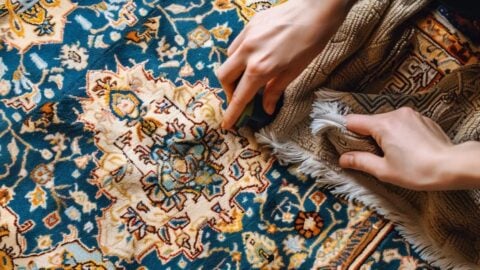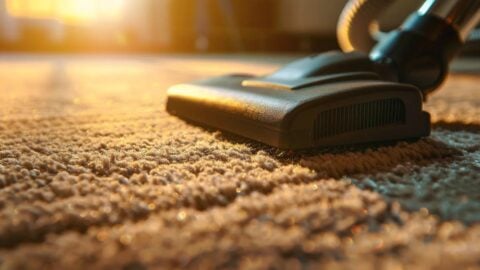




Professional area rug steam cleaning in Temple, TX uses hot water extraction to force contaminants from deep fibers without harsh chemicals. DynaClean Professional Services employs master-level techniques that sanitize and refresh delicate textiles while protecting against color bleeding. This method restores appearance and extends rug life.
Area rugs take on a disproportionate share of a home’s daily wear. Foot traffic grinds grit into the pile, pets shed dander deep into the backing, and spills soak past the surface fibers long before a stain becomes visible. Regular vacuuming lifts loose debris from the top of the rug, but it cannot reach the soil, allergens, and bacteria trapped near the foundation. That gap is exactly what a professional steam cleaning process is built to close, and understanding how the process works helps Temple homeowners know what to expect from a thorough, safe cleaning.
Key Takeaways
- Hot water extraction above 200°F forces contaminants from deep fibers without harsh chemicals.
- A structured 12-step health-first protocol includes pre-inspection, pre-treatment, injection, extraction, and controlled drying.
- Truck-mounted equipment injects hot water and immediately extracts water, soil, allergens, and bacteria.
- Controlled drying prevents fiber damage and color bleeding while eliminating soapy residue that causes rapid re-soiling.
What is the area rug steam cleaning process?
Professional area rug steam cleaning in Temple, TX uses truck-mounted hot water extraction above 200°F. The process pulls embedded soil, allergens, and bacteria from fibers and padding. DynaClean Professional Services follows a structured 12-step health-first protocol for thorough restoration.
How does hot water extraction work on area rugs?
- Technicians pre-inspect the rug for fiber type, dye stability, and damage.
- A pre-treatment solution loosens embedded soil and oils.
- Truck-mounted equipment injects hot water above 200°F into the fibers.
- Immediate extraction removes water, soil, allergens, and bacteria.
- Controlled drying prevents fiber damage and color bleeding.
The area rug steam cleaning process reaches contaminants that regular vacuuming leaves behind. DynaClean has delivered this process to Temple homeowners and businesses for over 30 years.
What guarantees protect Temple clients?
DynaClean backs every cleaning with a 100% money-back guarantee. Clients receive total satisfaction assurance on each job. For specialized care of oriental and antique rugs, the company provides expert area rug cleaning in a controlled facility.
This guarantee reflects decades of hands-on experience with the range of fibers and dyes found in Temple homes, from durable synthetic blends to hand-knotted wool and silk heirlooms. Technicians match the cleaning method to the rug rather than applying a single approach to every job, which is why antique and oriental rugs receive dedicated facility-based care instead of the standard on-site process. That distinction protects irreplaceable textiles while still delivering the deep, health-first clean that DynaClean’s 12-step protocol provides to every client.
How do you prepare your area rug for cleaning?
Proper preparation protects delicate fibers and ensures the deepest clean. The area rug steam cleaning process begins long before equipment touches the textile. A systematic approach prevents color bleeding, fiber distortion, and re-soiling after the service is complete.
What does a professional inspection look for before cleaning?
Technicians examine fiber type, colorfastness, and any pre-existing damage. Professional restoration technicians deliver deep-cleaning solutions that far exceed the capabilities of retail equipment. This inspection determines which cleaning agents and methods suit the specific rug construction.
What happens during the pre-treatment phase?
Specialized solutions break down oils and embedded soil before extraction begins. Pre-treatment loosens the bond between contaminants and carpet fibers. The process prepares the textile for thorough soil removal without aggressive scrubbing that damages delicate weaves.
Preparation follows a clear sequence:
- Clear the area of furniture and small objects to expose the entire rug surface.
- Perform dry vacuuming to remove loose debris and surface dirt.
- Apply eco-friendly, pet-safe pre-treatment solutions to dissolve trapped oils.
- Allow dwell time for the solution to penetrate and suspend soil particles.
DynaClean uses kid, pet, and eco-friendly solutions suitable for delicate area rugs. Vacuuming, pre-treatment, and truck-mounted cleaning form the core service package. Larger rugs and special treatments receive separate evaluation and pricing.
How often should Temple homeowners schedule area rug steam cleaning?
Rug cleaning frequency depends on foot traffic, pets, and allergy sensitivity. A rug in an entryway or living room collects soil far faster than one in a guest bedroom, and that difference should guide how often a homeowner books professional service. Most households see the best results from an annual deep cleaning, while homes with pets, young children, or allergy sufferers often benefit from service every six to nine months.
What signs indicate a rug needs cleaning sooner?
A rug that looks dull, feels stiff underfoot, or releases dust when shaken has already accumulated embedded soil that regular vacuuming cannot reach. Persistent odors, visible traffic lanes, or a noticeable increase in household allergy symptoms are also reliable signals. Temple’s seasonal pollen and dust levels make these warning signs worth checking more than once a year, especially for rugs near entry points.
What aftercare keeps a rug cleaner longer between services?
Rotating a rug periodically evens out wear from furniture and foot traffic. Prompt attention to spills prevents staining before it sets into the fibers, and a doormat at entry points reduces the soil tracked onto the rug’s surface. Routine vacuuming between professional visits removes loose debris before it works its way down to the backing, which keeps the deep-cleaning process from Temple’s preparation and extraction steps effective for longer.
What happens during the steam extraction step?
The steam extraction step injects hot water above 200°F deep into rug fibers. This temperature sanitizes the textile while flushing out embedded soil, allergens, and bacteria. Truck-mounted equipment delivers the heat and pressure required for genuine deep cleaning.
DynaClean Professional Services pairs this thermal injection with a structured health-first protocol. The system avoids excessive water use, which reduces dry time and prevents mold or mildew growth. No soapy residue remains after the rinse cycle, eliminating the rapid re-soiling common with rental machines.
How does hot water extraction differ from surface cleaning?
Surface cleaning pushes dirt around without removing it. Hot water extraction flushes contaminants from the backing upward. Powerful truck-mounted suction then pulls the water and suspended soil out simultaneously, leaving the rug clean and nearly dry.
A rental carpet machine or a bucket-and-brush approach can lift surface dust, but it lacks the pressure and heat to reach soil bonded deep in the pile and backing. Worse, underpowered equipment often pushes moisture into the padding without fully extracting it, which invites mold and mildew in a rug that looks clean on top. Truck-mounted systems generate higher water temperature and stronger vacuum power than any retail unit, so the extraction step actually removes what it flushes loose instead of redistributing it.
Why does residue-free rinsing matter for area rugs?
Leftover detergent acts like a magnet for new dirt. DynaClean’s system rinses every trace of cleaning agent from the fibers. The result is a rug that stays cleaner longer and resists the quick re-soiling homeowners dread.
For delicate or heirloom textiles, the full area rug steam cleaning process follows careful fiber identification before any water touches the material. Temple homeowners seeking thorough restoration can explore DynaClean’s specialized area rug cleaning in Temple for heirloom-quality results.
FAQ
How does the area rug steam cleaning process work in Temple, TX?
Truck-mounted equipment injects hot water above 200°F into fibers, then immediately extracts water, soil, allergens, and bacteria. DynaClean follows a 12-step health-first protocol including pre-inspection, pre-treatment, injection, extraction, and controlled drying.
What preparation steps protect my area rug before steam cleaning?
Technicians pre-inspect fiber type, dye stability, and damage, then dry vacuum and apply eco-friendly, pet-safe pre-treatment solutions. Dwell time allows the solution to penetrate and suspend soil particles without aggressive scrubbing.
What guarantee does DynaClean offer for area rug steam cleaning in Temple?
DynaClean backs every cleaning with a 100% money-back guarantee and total satisfaction assurance. For oriental and antique rugs, the company provides expert cleaning in a controlled facility.
Conclusion
When you choose professional hot water extraction for your area rug, you select a process that reaches contaminants regular vacuuming leaves behind. This method restores appearance and extends rug life while protecting delicate fibers. Schedule your service to experience the difference that thorough, residue-free cleaning makes for your home.