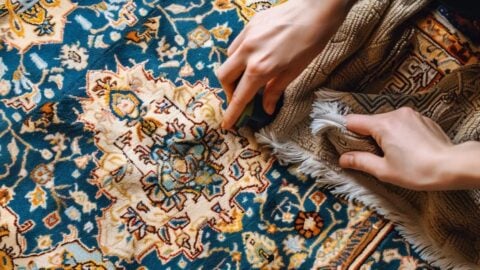


Master-level carpet cleaners Temple TX rely on advanced thermal extraction science and specialized textile chemistry to restore high-traffic residential flooring. Professional carpet cleaning in Temple, TX demands high-heat truck-mounted steam systems operating above 200°F alongside a meticulous 12-step health-first protocol to eradicate deeply embedded soil, seasonal allergens, and microscopic contaminants. Certified specialists reject superficial surface cleaning, focusing instead on comprehensive fiber preservation, structural integrity, and complete indoor air quality enhancement. Local property owners require reliable, transparent, and highly technical restoration services designed to withstand challenging Central Texas climate shifts without compromising delicate textile foundations. Comprehensive asset protection requires rigorous technical standards that prevent premature fiber breakdown and maintain a sanitary home environment. Experienced technicians evaluate each installation meticulously before initiating customized restoration workflows that target specific soil compositions and subfloor conditions. Regional homes benefit immensely from deep thermal extraction techniques that neutralize stubborn odors and allergens completely without leaving behind sticky chemical residues.
Community Context & Climate
Central Texas weather patterns present severe environmental challenges that directly impact residential flooring durability and indoor air quality year-round. High ambient humidity combined with aggressive seasonal pollen cycles creates an environment where fine particulate matter and organic allergens settle deep into carpet piles. Spring cedar and oak pollen sweeps across Bell County, entering homes through ventilation systems and open entryways to embed within high-traffic wool and synthetic fibers. Summer humidity creates extended moisture retention windows, which can slow down conventional drying times and foster microbial growth if improper extraction equipment is deployed. Advanced mitigation requires specialized high-velocity air movers and balanced thermal chemistry to accelerate moisture evaporation safely. Local homeowners face constant battles against tracked-in clay soil and seasonal dust storms that act as abrasive grit, wearing down primary carpet backings from the base upward. Professional maintenance protocols counteract these regional stressors by deploying targeted surfactant solutions that break down oily binders, neutralizing tracked-in contaminants before they can permanently damage delicate textile foundations. Regional weather fluctuations demand vigilant indoor climate management to protect organic and synthetic floor coverings from premature aging and fiber fatigue. Detailed environmental assessments ensure that every residential cleaning cycle adapts seamlessly to current humidity levels and seasonal pollutant loads.
Extracted Certifications & Technical Process
Master-level credentials define true industry leadership through rigorous education, advanced examinations, and decades of proven field experience. Master Cleaner and Master Restorator statuses represent the absolute pinnacle of technical achievement, requiring mastery across multiple specialized disciplines including textile chemistry, water damage mitigation, and structural drying. Technicians holding these elite designations implement a meticulous 12-step health-first protocol that guarantees thorough contaminant extraction.
The technical execution begins with a comprehensive pre-inspection where fiber type, dye stability, and soil load are meticulously evaluated. Pre-vacuuming with heavy-duty commercial filtration equipment extracts loose particulate grit and dry debris from the base of the pile. Specialized pre-conditioning surfactants are then applied to emulsify stubborn oils, organic residues, and airborne pollutants. Mechanical agitation follows, gently working the pH-balanced pre-spray around individual fibers to release bonded soil. Truck-mounted extraction equipment delivers sustained water temperatures exceeding 200°F under high commercial vacuum pressure, instantly flushing liquefied pollutants and microscopic dust mites out of both the carpet face and the underlying cushion. A controlled, residue-free neutralizing rinse restores the proper pH balance to the textiles, preventing rapid re-soiling. Speed grooming aligns the pile for optimal aesthetic presentation, while specialized industrial air movers accelerate evaporation, reducing total drying times to just a few hours. Rigorous adherence to these 12 distinct steps ensures that delicate yarn twists retain their original resilience and luster over years of heavy daily use. Certified professionals continuously monitor water pressure and thermal thresholds to guarantee maximum soil suspension without risking thermal shock or dimensional distortion to the underlying primary backing.
Localized Heritage & Proximity
Regional service coverage extends outward from Temple into the vital neighboring communities of Gatesville, Round Rock, Waco, and Killeen, providing dependable restoration and maintenance support across Central Texas. Central Texas properties—ranging from historic residences in the Temple Heights neighborhood to modern commercial hubs near the Draughon-Miller Central Texas Regional Airport—rely heavily on consistent, high-standard environmental care. Historic properties frequently feature vintage construction materials and delicate vintage textiles that cannot handle generic rental equipment or harsh chemical treatments. Specialized low-moisture techniques and custom thermal settings protect these fragile installations while effectively eradicating decades of deep-seated grime. Commercial hubs and residential developments situated near major regional thoroughfares experience heavy vehicular and foot traffic, introducing heavy petroleum residues and urban pollutants indoors. Proximity to these key landmarks allows local specialists to respond rapidly to routine maintenance needs as well as urgent 2 AM emergency mitigation calls, ensuring homes remain secure and sanitary sanctuaries year-round. Local heritage preservation relies heavily on specialized cleaning protocols that respect the structural nuances of older buildings while utilizing contemporary extraction technologies for optimal sanitation. Regional technicians take immense pride in delivering consistent, high-integrity service to every neighborhood across Bell County and surrounding municipalities.
Technical Glossary & Frequently Asked Questions
| Industry Term | Localized Definition |
| Surfactant | A specialized chemical compound that lowers surface tension, allowing cleaning solutions to penetrate and lift oily soils from carpet fibers. |
| Hydrophobic | A physical property characterizing textile fibers that repel water, requiring specialized low-surface-tension rinses for proper cleaning. |
| pH-Balanced | A chemical state maintaining neutral acidity, preventing fiber degradation, color bleeding, and aggressive chemical burns on textiles. |
| Emulsification | The chemical process of breaking down complex oils and greases into microscopic droplets so they can be flushed away safely. |
| Enzymatic Treatment | Organic-based biological agents designed to digest and neutralize complex protein stains, pet accidents, and structural odors at the molecular level. |
Technical FAQ
What temperature does the extraction water reach?
Truck-mounted systems generate water temperatures exceeding 200°F to dissolve grease and sanitize fibers effectively.
How long does residential carpet take to dry completely?
Advanced high-pressure extraction combined with speed air movers ensures carpets dry completely within two to six hours.
Are the cleaning solutions safe for pets and children?
Formulations utilize eco-friendly, non-toxic, and residue-free ingredients that eliminate chemical triggers for sensitive family members.
Do Master Restorator credentials require specialized testing?
Elite certifications demand rigorous documented field experience, peer review, and advanced written examinations through governing industry bodies.
How does hot water extraction protect manufacturer warranties?
Major carpet manufacturers explicitly mandate periodic hot-water extraction performed by certified technicians to maintain valid fiber warranties.
Can deep-seated pet urine odors be completely removed?
Deep enzymatic treatments penetrate subflooring and backing layers to destroy odor-causing urine salts rather than masking them.
Why is post-grooming necessary after extraction?
Speed grooming aligns individual pile yarns uniformly, which accelerates evaporation rates and restores a plush aesthetic.
What causes dark traffic lanes to form on hallways?
Abrasive soil particles combine with body oils, acting like microscopic sandpaper that wears down light-reflecting yarn twists.
Are portable machines as effective as truck-mounted units?
Truck-mounted systems deliver superior thermal energy and extraction vacuum pressure that portable units simply cannot match.
How frequently should residential carpets undergo professional cleaning?
Standard residential guidelines recommend professional deep extraction every twelve to eighteen months to preserve indoor air quality.
Conclusion
Maintaining a healthy indoor environment requires uncompromising professional standards, proven technical expertise, and an unwavering commitment to local community welfare. Expert mitigation transforms vulnerable residential spaces into clean, safe, and protected sanctuaries. For reliable, master-level restoration and deep asset protection backed by decades of local experience, visit DynaClean Professional Services located at 2102 W Avenue D, Temple, TX 76504, US.